September 18, 2026 · 6 min read
Remote HR Consulting That Builds Business Resilience
Remote HR consulting gives growing businesses compliant systems, stronger leaders, and workforce insight that supports retention, agility, and growth now.
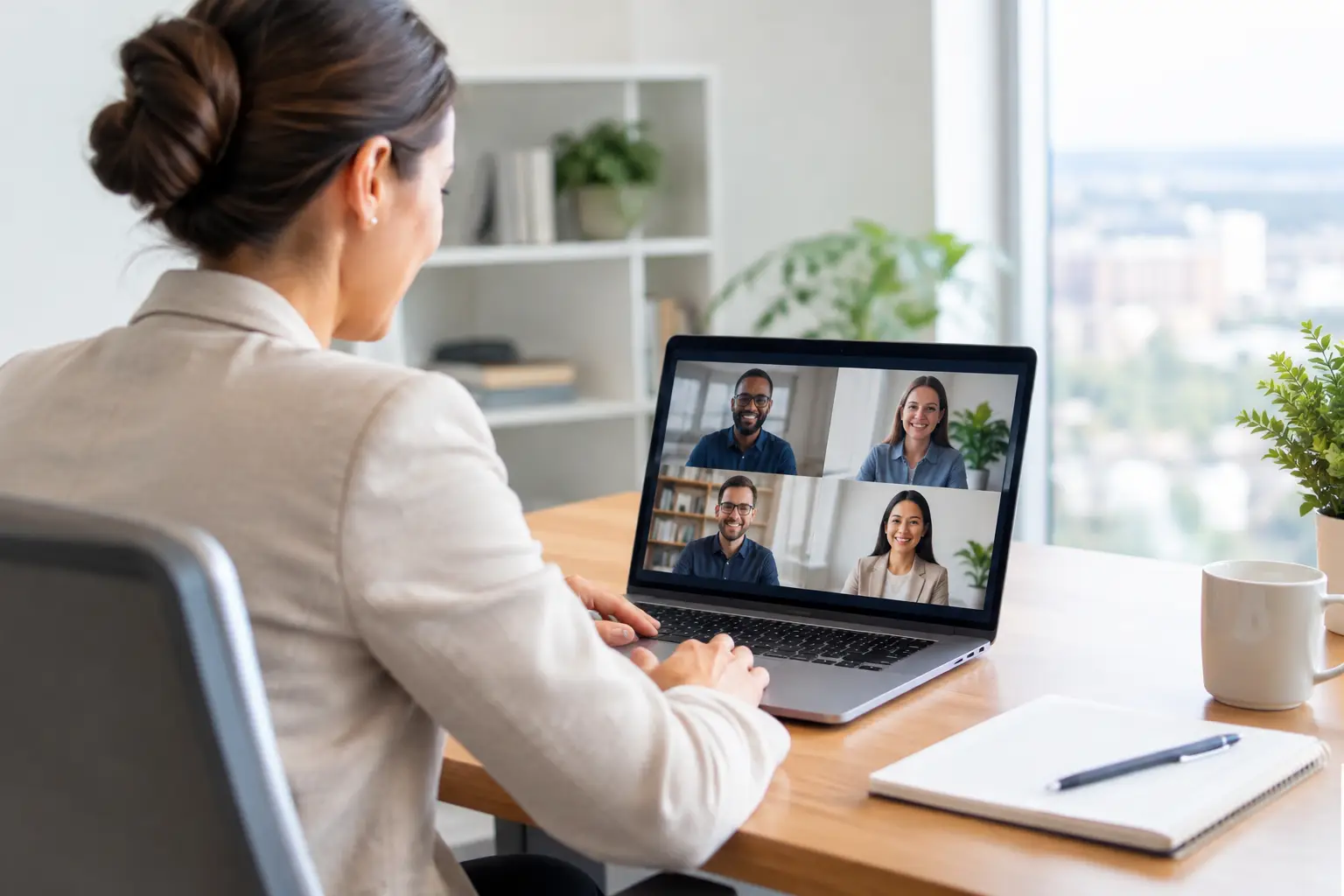
A missed I-9 deadline, a manager handling performance issues inconsistently, or a sudden spike in turnover can quickly become more than an HR problem. Each can affect service quality, operating costs, legal exposure, and leadership capacity. Remote HR consulting gives organizations access to strategic people expertise before those issues become expensive distractions.
For growing businesses, especially those operating across states or managing distributed teams, HR cannot remain a reactive administrative function. It must provide the systems, decisions, and leadership practices that help the organization retain talent, manage risk, and execute growth plans with confidence. The right remote partner makes that support available without requiring a full internal HR department or limiting expertise to one location.
What Remote HR Consulting Should Deliver
Remote HR consulting is not simply outsourced paperwork delivered through video calls. At its best, it is a strategic partnership that assesses the organization’s workforce risks and opportunities, builds practical operating systems, and helps leaders make better people decisions.
The delivery model is particularly effective when the work is designed around outcomes rather than tasks. A healthcare organization may need stronger documentation and employee-relations processes to manage regulatory exposure. A hospitality business may need an improved onboarding and manager-training program to reduce early-tenure turnover. A technology company scaling across several states may need compensation structure, workforce planning, and compliant hiring practices that can keep pace with growth.
These needs differ, but the business objective is consistent: create a future-ready workforce that supports performance without adding unnecessary complexity. A remote consulting relationship should connect HR activity to measurable results such as reduced turnover, faster time to productivity, improved manager accountability, lower compliance risk, and clearer workforce costs.
Where Businesses Gain the Most Value
Organizations often seek support after a triggering event: an employee complaint, a failed hire, a rapid expansion, or the departure of the person who informally handled HR. Those moments matter, but the strongest value comes from addressing the underlying operating gaps before they escalate.
Compliance becomes an operating discipline
Employment compliance is rarely a one-time project. Requirements can vary by state and locality, while policies must also reflect how the business actually operates. A handbook that sits unused, incomplete personnel records, or inconsistent leave practices can create avoidable exposure when a dispute arises.
A remote HR consultant can establish a compliance framework that includes policy review, required documentation, employee classification assessment, manager guidance, recordkeeping practices, and issue-escalation protocols. The goal is not to bury leaders in process. It is to give them clear, defensible direction when real decisions need to be made.
For multi-state employers, this work is especially valuable. A practice that is acceptable in one location may create risk in another. Centralized expertise helps leaders maintain consistency while accounting for the requirements that genuinely need to differ by jurisdiction.
Talent acquisition is connected to workforce planning
When an organization hires only to fill today’s open roles, it can unintentionally create tomorrow’s capability gaps. Strategic recruiting begins with a clearer view of the workforce the business needs: critical roles, leadership bench strength, anticipated attrition, skill shortages, and the timing of expansion plans.
Remote HR consulting can bring structure to that work through role design, hiring workflows, interview standards, candidate evaluation, compensation benchmarking, and onboarding plans. This is not just about increasing applicant volume. It is about improving the quality and consistency of hiring decisions.
The trade-off is that thoughtful workforce planning requires leadership input and reliable data. Businesses that have not tracked headcount, turnover, time to fill, or performance trends may need to establish a baseline first. That initial discipline pays off by making future hiring decisions faster and more financially grounded.
Managers become more reliable performance leaders
Many employee-relations issues begin as management issues. A supervisor avoids a difficult conversation, applies standards unevenly, or documents concerns too late. Employees then experience confusion, perceived unfairness, or a lack of development. Productivity declines before the organization sees a formal complaint or resignation.
A strategic consultant helps create a practical performance-management approach: clear expectations, regular feedback, documented coaching, fair corrective action, and development conversations tied to business goals. Managers need tools, but they also need judgment. Training should prepare them to handle situations consistently while recognizing when an issue requires HR guidance.
This is where remote delivery can be highly effective. Leaders can receive targeted coaching, live support during sensitive situations, and standardized resources regardless of where they work. The relationship should feel accessible when a decision is urgent, not distant because the consultant is offsite.
How the Remote Delivery Model Works
A credible remote engagement begins with discovery, not assumptions. The consultant should understand the organization’s business model, leadership structure, locations, current workforce data, existing policies, technology, and immediate risks. This establishes priorities and prevents a generic HR package from being mistaken for a strategy.
From there, the work is typically organized into a focused roadmap. Near-term actions may address urgent compliance gaps, a difficult employee-relations matter, or a high-volume hiring need. Longer-term initiatives can include HR technology implementation, leadership development, compensation and benefits administration, employee engagement measurement, succession planning, or organizational transformation.
Remote collaboration does require operating discipline on both sides. Clear points of contact, agreed response times, secure document-sharing practices, and regular leadership reviews are essential. Video meetings alone do not create alignment. A well-run engagement creates a visible cadence for decisions, accountability, and progress reporting.
Data is central to this model. Leaders should be able to see whether turnover is concentrated in a department, whether onboarding is improving retention, whether time to fill is delaying growth, or whether manager practices are affecting engagement. Not every organization needs an advanced analytics platform, but every organization needs enough workforce insight to identify patterns and act on them.
Choosing a Remote HR Consulting Partner
The right provider should be evaluated as a business partner, not a vendor that only answers policy questions. Technical HR knowledge matters, but it is not sufficient on its own. The consultant must understand how people decisions affect margins, customer experience, capacity, and growth.
Look for a partner that can explain its approach to confidentiality, data security, and sensitive employee matters. Ask how it handles multi-state compliance, how it works with internal leaders, and how progress is measured. A strong provider will be direct about what can be solved quickly, what requires organizational change, and where leadership participation is necessary.
Customization also matters. A 30-person startup, a multi-location hospitality group, and a regulated healthcare employer should not receive identical priorities or processes. The best engagements combine proven frameworks with the flexibility to reflect the company’s industry, culture, workforce profile, and stage of growth.
ElevateHR Group approaches this work as a long-term capability-building effort. The aim is not to make leadership dependent on outside support. It is to strengthen the systems, confidence, and workforce practices that allow the organization to operate with greater resilience.
When to Bring in Strategic HR Support
The ideal time is before an urgent issue forces a rushed decision. That may be when the company is opening a new location, hiring its first managers, expanding into another state, experiencing recurring turnover, or preparing for a significant change in structure.
It can also be the right step when internal HR is overloaded. An experienced HR leader may be highly capable but lack the time to lead a compensation review, implement a new HR system, rebuild onboarding, or manage a complex employee-relations matter while keeping daily operations moving. External expertise can add capacity without replacing internal knowledge.
Remote HR consulting is most effective when executives treat workforce strategy as part of business strategy. Leaders who set priorities, share operating data, and hold managers accountable create the conditions for meaningful, organization-wide impact. The result is not merely better HR administration. It is a workforce equipped to support the next stage of the business with greater clarity, consistency, and confidence.
Need help applying this?
ElevateHR Group builds the policies, systems and manager routines behind this work. Book a consultation and we will map it to your business.
Book a consultation